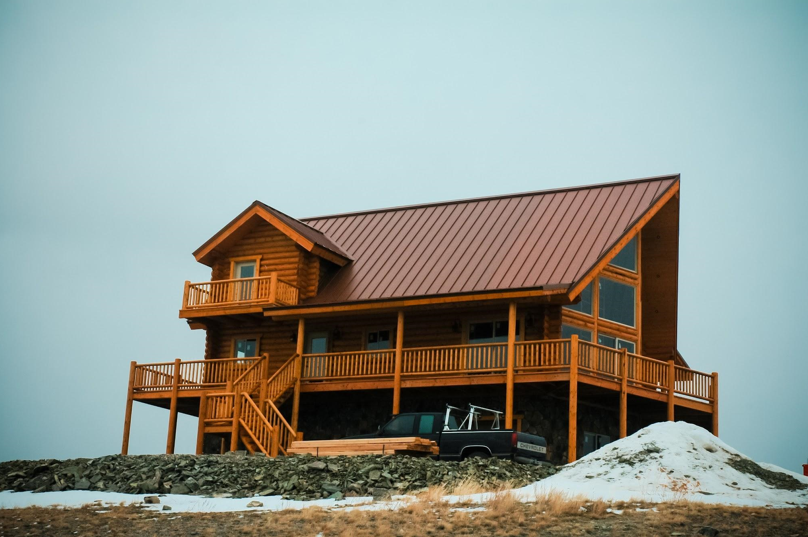
Strong Foundations, Smart Design: How Timber Structures Shape Modern Living Spaces
Modern construction is no longer defined solely by strength—it is shaped by how well materials support both functionality and design. Timber has remained a cornerstone of this balance, offering structural reliability while contributing to the overall look and feel of a home. Its versatility allows it to adapt to changing architectural styles without losing its core strengths.
As homeowners place greater value on efficiency, sustainability, and design, timber structures have become increasingly important. They provide a framework that supports both durability and creativity, making them a key component in modern building practices.
The Role of Timber Structures in Contemporary Construction
Timber structures form the backbone of many residential and commercial buildings. From framing systems to support beams, wood plays a critical role in maintaining stability while allowing for flexible design. Its natural properties make it suitable for a wide range of applications, ensuring that it remains relevant across different types of projects.
Guidelines such as those outlined in wood recycling and safe material handling practices highlight the importance of managing timber responsibly throughout its lifecycle. These frameworks emphasize both safety and sustainability, reinforcing timber’s value as a long-term building material.
By understanding these principles, builders can use timber more effectively and ensure that it performs reliably over time.
Why Timber Structures Continue to Lead in Construction
Strength Combined with Flexibility
Timber offers a unique combination of strength and adaptability. It can support significant loads while remaining flexible enough to accommodate design variations. This makes it an ideal choice for projects that require both structural integrity and creative freedom.
Its ability to absorb and distribute stress also contributes to its durability. Properly constructed timber structures can withstand a range of environmental conditions without compromising performance.
Efficiency in Building Processes
Another advantage of timber is its efficiency. It is easier to transport, cut, and install compared to heavier materials, which helps streamline construction workflows. This efficiency reduces labor demands and allows projects to progress more smoothly.
When combined with careful planning, timber structures contribute to faster build times while maintaining high standards of quality.
Working with Experts in Timber Structures
The success of any timber-based project depends on the expertise of the professionals involved. Skilled teams understand how to select materials, plan structural layouts, and execute designs with precision.
Collaborating with specialists behind structures from Tar River Timber Works ensures that timber is used effectively throughout the construction process. Their approach focuses on aligning structural requirements with design goals, resulting in builds that are both reliable and visually cohesive.
This level of expertise helps minimize errors and ensures that each component of the structure contributes to the overall performance of the project.
Connecting Structural Design with Interior Spaces
The relationship between structure and interior design is becoming increasingly important in modern homes. Timber structures not only support the building but also influence how interior spaces are experienced. Exposed beams, wooden frames, and natural finishes can add depth and character to a room.
Design approaches that emphasize harmony between structure and style are gaining popularity. This comprehensive guide to interior design concepts explores how thoughtful planning can create cohesive living environments.
By integrating timber structures into interior design strategies, builders can create spaces that feel both functional and visually engaging.
Sustainability and Responsible Use of Timber
Sustainability has become a central focus in construction, and timber offers a natural advantage in this area. As a renewable resource, it supports environmentally conscious building practices when sourced and managed responsibly.
Recycling and reusing timber also contribute to reducing waste. By extending the lifecycle of wood products, builders can minimize environmental impact while maintaining high-quality materials.
This approach not only benefits the environment but also aligns with the growing demand for sustainable construction solutions.
Reducing Construction Challenges with Better Planning
Construction projects often face challenges related to coordination and material performance. Timber structures, when properly planned, help address these issues by providing a reliable and adaptable framework.
Clear planning ensures that each element of the structure fits seamlessly into the overall design. This reduces the need for adjustments and helps maintain a steady workflow throughout the project.
By focusing on preparation and organization, builders can achieve more efficient and successful outcomes.
See also: How Ai-Powered Automation Is Enhancing Business Operations
The Future of Timber Structures in Modern Building
The construction industry continues to evolve, with new technologies and methods shaping how projects are executed. Timber is expected to play an increasingly important role in this evolution, particularly as sustainability becomes a greater priority.
Advances in engineered wood products are expanding the possibilities for timber use, allowing for more complex and innovative designs. These developments are helping to redefine what can be achieved with wood in contemporary construction.
As these trends continue, timber structures will remain a key component of modern building practices, offering a balance of strength, efficiency, and environmental responsibility.
Conclusion
Timber structures continue to shape the way homes are built, offering a reliable foundation that supports both design and performance. Their versatility allows them to adapt to a wide range of applications, making them an essential part of modern construction.
By combining thoughtful planning, skilled execution, and sustainable practices, builders can create spaces that meet both current and future demands. Timber’s enduring value lies in its ability to bring together strength, flexibility, and design in a way that remains relevant across generations.